
The impact of gambling addiction on mental health and relationships
Understanding Gambling Addiction
Gambling addiction, also known as compulsive gambling, is a behavioral disorder characterized by the inability to control the urge to gamble, despite the negative consequences. It can lead to significant financial issues, legal problems, and a decline in personal relationships. The thrill of gambling can create a false sense of excitement and a desire to chase losses, making it difficult for individuals to recognize the damaging impact on their lives. Many players seek out platforms like https://fortislots.uk/, which can provide a thrilling escape while also posing risks.

This addiction often manifests as an overwhelming preoccupation with gambling, where individuals may spend excessive amounts of time and money on games of chance. As the addiction deepens, the compulsive gambler may neglect responsibilities at work or home, leading to stress and strain in relationships. Understanding the nature of this addiction is essential for both the affected individuals and their loved ones to provide the necessary support.
The psychological aspects of gambling addiction are complex, often intertwining with mental health disorders such as depression and anxiety. Many individuals turn to gambling as a means of escape or coping mechanism for life’s challenges. This often leads to a cycle of despair, where the temporary relief provided by gambling is overshadowed by guilt and shame, further exacerbating mental health issues.
The Effects on Mental Health
The effects of gambling addiction on mental health are profound and multifaceted. Individuals struggling with this addiction may experience heightened anxiety and depressive symptoms. The relentless pursuit of gambling can lead to significant stress and emotional turmoil, as the stakes become increasingly high, and losses accumulate. This stress often translates into panic attacks, sleep disturbances, and even suicidal thoughts.
Moreover, the shame associated with gambling addiction often causes individuals to isolate themselves. They may withdraw from social activities and avoid interactions with friends and family, further worsening their mental health state. This withdrawal can lead to a vicious cycle, where loneliness exacerbates their condition, resulting in a deeper reliance on gambling as a means to cope with emotional pain.
Therapeutic interventions, such as cognitive-behavioral therapy, can be crucial in addressing the mental health challenges associated with gambling addiction. These therapies help individuals understand their thought patterns and the emotional triggers that lead to gambling behavior. By addressing these underlying issues, individuals can work towards healthier coping mechanisms and rebuild their mental health.
Impact on Relationships
The impact of gambling addiction extends far beyond the individual, deeply affecting their relationships with family and friends. Partners often feel betrayed and hurt as financial issues arise and trust diminishes. Many times, the addicted individual may prioritize gambling over their loved ones, leading to feelings of neglect and resentment from family members.
The financial strain caused by gambling can lead to significant disputes and conflicts within relationships. Partners may face mounting debt, loss of savings, or even bankruptcy, resulting in stress and tension. This financial burden can trigger arguments, create distance, and, in severe cases, result in separation or divorce, as partners struggle to cope with the fallout of the addiction.
Rebuilding relationships after a period of gambling addiction is challenging but essential for recovery. Open communication, honesty, and mutual support play key roles in healing the rifts caused by the addiction. Couples therapy can be beneficial, providing a safe space for both partners to express their feelings, discuss their needs, and develop strategies for overcoming the challenges of addiction together.
Seeking Help and Recovery
Recognizing the need for help is often the first step towards recovery from gambling addiction. Treatment options vary widely, ranging from therapy and counseling to support groups and rehabilitation programs. Many find solace in connecting with others who share similar experiences, as these support systems provide encouragement and understanding that can be immensely beneficial during recovery.
Professional help, including psychologists and addiction specialists, can provide tailored approaches to combat gambling addiction. They often employ strategies that address the cognitive distortions associated with gambling, helping individuals develop healthier thinking patterns and decision-making processes. It is important for those struggling to know that recovery is possible and that numerous resources are available.
The journey to recovery is not always linear; it often includes setbacks and challenges. However, with perseverance, support, and the right strategies in place, individuals can reclaim their lives and mend their relationships. The road to recovery is a testament to resilience, allowing individuals to emerge stronger and more aware of their mental health needs.
Responsible Gaming and Support Resources
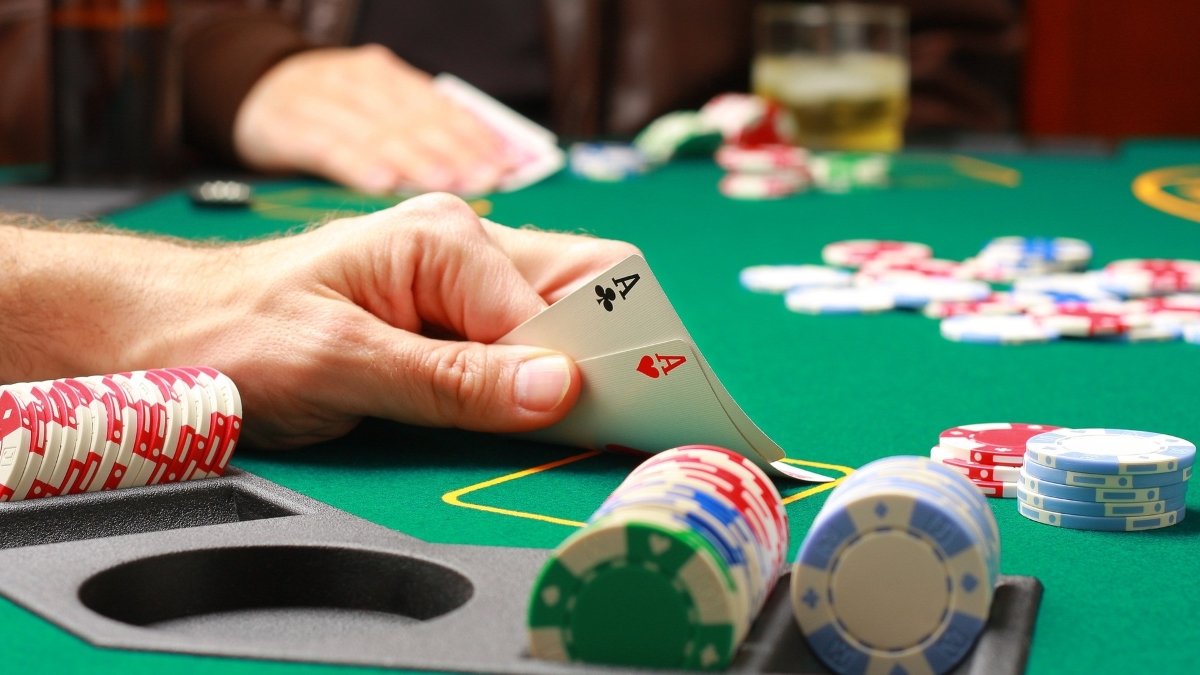
Responsible gaming is crucial in mitigating the risks associated with gambling addiction. Many online gaming platforms promote responsible practices, ensuring players are aware of the potential dangers and encouraging them to set limits. Awareness of one’s gambling habits and engaging in self-exclusion strategies can significantly reduce the likelihood of developing an addiction.
Support resources are widely available for those struggling with gambling addiction. Organizations and helplines offer guidance, education, and support to individuals and their families. By fostering an environment of understanding and compassion, these resources can help bridge the gap between addiction and recovery, providing the necessary tools for individuals to overcome their struggles.
In summary, the journey through gambling addiction is often complex, affecting mental health and relationships alike. The importance of understanding, support, and the availability of resources cannot be overstated. Embracing responsible gaming practices and seeking help are vital steps in breaking the cycle of addiction and fostering healthier lives and relationships.